
Commercial Interiors UK Sector Reports offer in depth insight behind key developing market sectors, helping our accredited members understand market direction, identify opportunities, and respond with confidence to changing client needs.
Available free of charge to Commercial Interiors UK Members via the Members Area, each report brings together sector analysis, current market intelligence, expert perspectives, and practical supplier takeaways. For non members, reports are available to purchase from £150 to £300 per report.
In our Senior Living Sector Report 2025, written by architecture and interiors journalist Helen Parton, we explore how shifting demographics, changing expectations, and new models of later living are transforming one of the fastest-growing areas of the commercial interiors market.
A central strength of the Senior Living Sector Report is the calibre and breadth of the expert voices it brings together. Through interviews with leading architects, designers, operators and developers working directly within senior living, the report examines how senior living is being shaped in practice.
Jen Bernard, Managing Director of Bernard Interiors
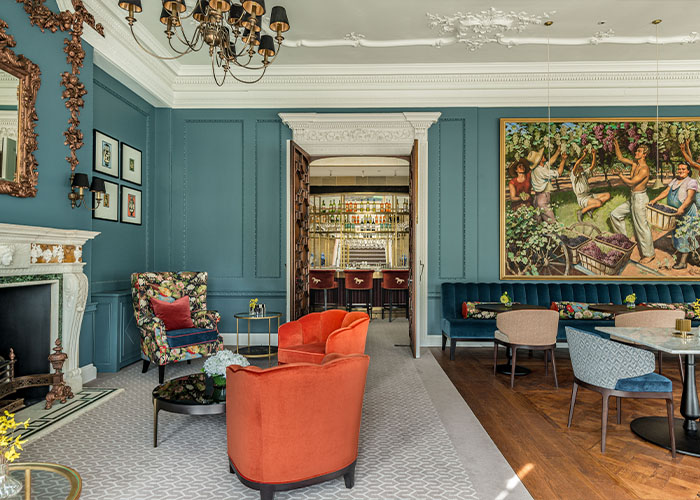
Within the report Jen shares the importance of creating interiors that balance elegance, comfort and practicality. Drawing on the studio’s experience across luxury residences, later living and healthcare, Jen highlights the need for spaces that feel warm, layered and hospitality-led, while still responding to the realities of care. As she notes in the report, “Our interiors avoid an institutional appearance whilst nodding to practicality.” Her interview places particular emphasis on friction spaces, emotional design and rental resilience, all of which present clear considerations for trusted suppliers.
Stephen Witherford, Director at Witherford Watson Mann
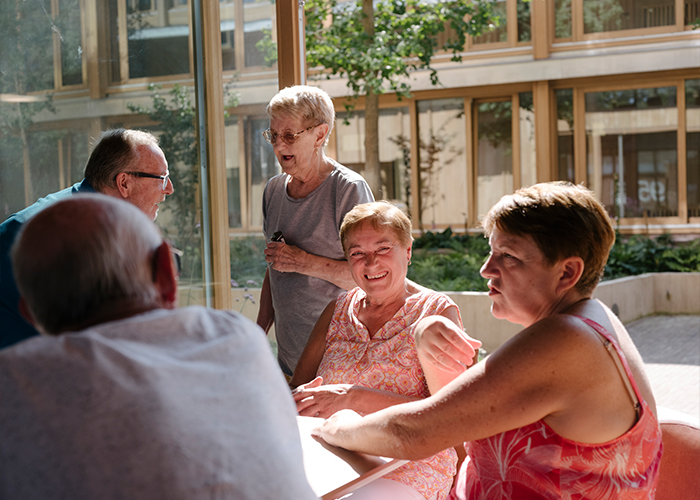
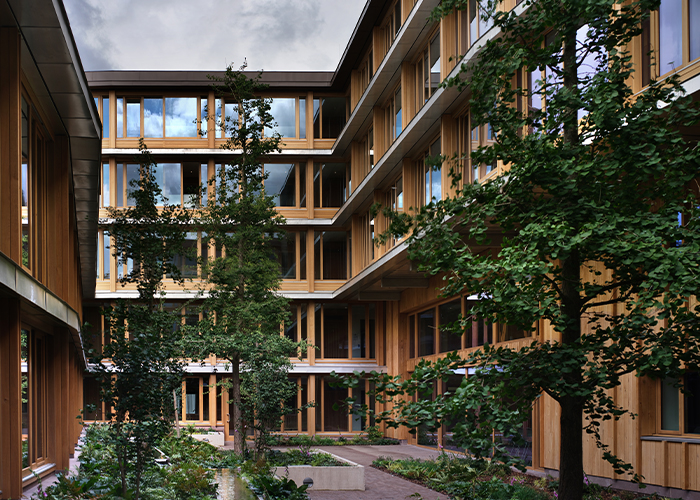
Within the report Stephen discusses Appleby Blue, the Stirling Prize-winning almshouse scheme designed as 21st century inner-city living for older people. His contribution focuses on how architecture can support activity, friendship and community connection. Stephen describes the project as a place where residents and the local community can “spend time, meet with friends and participate in a range of activities.” His interview highlights the role of shared spaces, indoor to outdoor connections and a renewed vision for sheltered housing.
Sarah Mitchell, Director at Calico Interiors
Sarah also reflects on Appleby Blue within the report, focusing on the interior palette, furniture and textiles that helped translate the architectural concept into a welcoming environment. Her comments demonstrate how fabric, colour, pattern and furniture specification can support both aesthetics and accessibility. Sarah explains that the team selected “a variety of different chair types and sizes” to serve the needs of human diversity, underlining the importance of thoughtful product selection in inclusive later living environments.
Martyn Craddock, Chief Executive of United St Saviour’s Charity
Martyn brings an operator and client perspective to the same project within the report. His focus is on aspiration, durability and long-term value. Martyn explains that the aim was to specify furniture that was “robust to daily knocks, but still looked homely and good quality.” His interview reinforces the importance of products that perform over time without compromising on warmth, identity or resident dignity.
Phil Waind, James Potter and Sonya Gohil of WGP Architects
Phil contributes a collective perspective on contemporary care home design to the report, with particular insight into dementia care. Their interview explores visual clarity, wayfinding, scale and the connection between interiors and the natural environment. A key point from the discussion is that when someone with dementia steps out of their room, “they should see recognisable spaces.” For suppliers, this raises important questions around furniture placement, materiality, biophilic design and how specification can support orientation, familiarity and reassurance.
Camilla Heier Anglero, Partner and Head of Health Design at Nordic Office of Architecture
Within the report Camilla brings an international perspective through Carpe Diem Dementia Village in Norway. Her interview focuses on creating a home-from-home atmosphere within safe, supportive and highly considered environments. The report highlights how each unit has its own identity, tailored to the resident group, helping residents recognise their own living area. Camilla’s contribution shows how design can promote dignity, independence and community connection for people living with dementia.
Roger Black, previously of PegasusLife and currently Creative Director at Ballymore
Within the report Roger discusses the emotional drivers behind later living decisions. His interview explores how social opportunity, lifestyle and design quality influence the way people choose where to live. Roger states that “the number one driver is social opportunity,” arguing that socialisation is fundamental to human wellbeing. His perspective highlights the value of amenity spaces, friction spaces and emotionally engaging interiors that help people imagine a richer, more connected later life.

Together, these interviews reveal a sector moving decisively away from institutional models and towards environments shaped by quality, personalisation, social connection, wellness, biophilia and long-term adaptability. For commercial interiors businesses, the value lies in understanding not only what is being specified, but why. The report shows where Accredited Members and Trusted Suppliers can add meaningful value through products, materials and services that respond to the practical, emotional and commercial realities of senior living.
The full Senior Living Sector Report 2025 is available free of charge to Commercial Interiors UK Members via the Members Area.
Non members can purchase the report for £195 plus VAT by contacting info@commercial-interiorsuk.com